Legend of Egg
WebHub is a dynamic curation platform template designed to showcase the best of the web. With its sleek design and intuitive interface, WebHub allows users to easily discover and explore a curated selection of websites, templates, and resources.
My Roles
Team Size
3
Engine
Unity
Timespan
8 Weeks

The Concept
Legend of Egg started out as a university assignment; make a vampire survivors-like game. I thought about how I could differentiate my game from existing games in the genre and settled on a few key differences. One of them is that the game is entirely in 3D, and the other is that upgrades and meta upgrades are not pre-defined in the same way that Vampire Survivors is. All upgrades are procedurally generated, I only define how each weapon scales. Meta upgrades are collected as collectibles through a gacha system, with almost a thousand total upgrades to be obtained.
Finally, there is a boss fight system at the end. While Vampire Survivors just ends at 30 minutes, I wanted the progression in a run to actually lead somewhere. At 15 minutes into Legend of Egg, a boss spawns and suddenly the bullet heaven game mixes with a bullet hell, where you test the build you created in the run to its fullest.
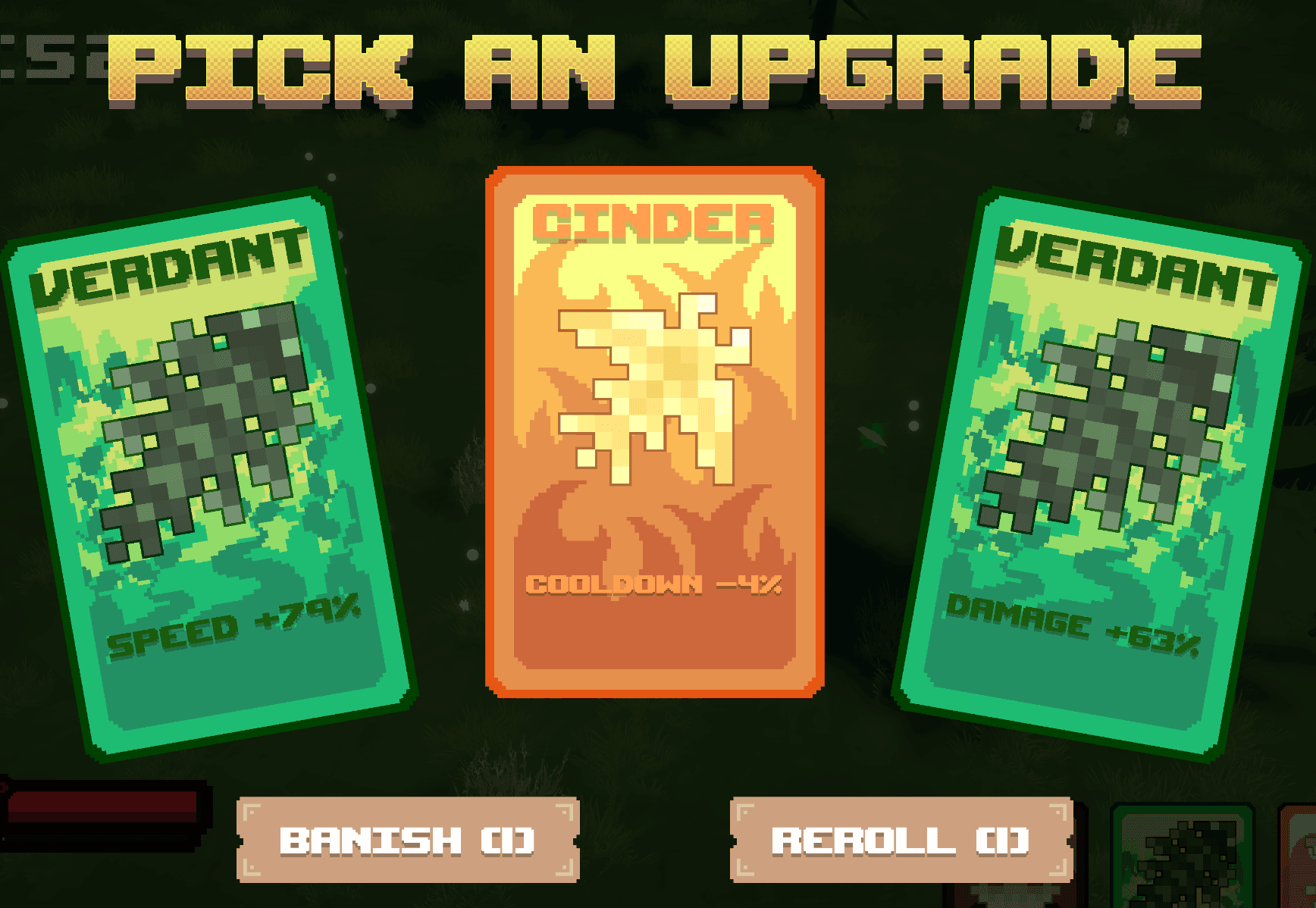
This project was primarily a solo project. I used purchased assets for the majority of the visuals and programmed and designed most of the rest of the game myself. I did outsource some help from friends with some 3D models and audio. I designed and implemented all 30+ weapons in the game, as well as the upgrades, UI and AI of the enemies.
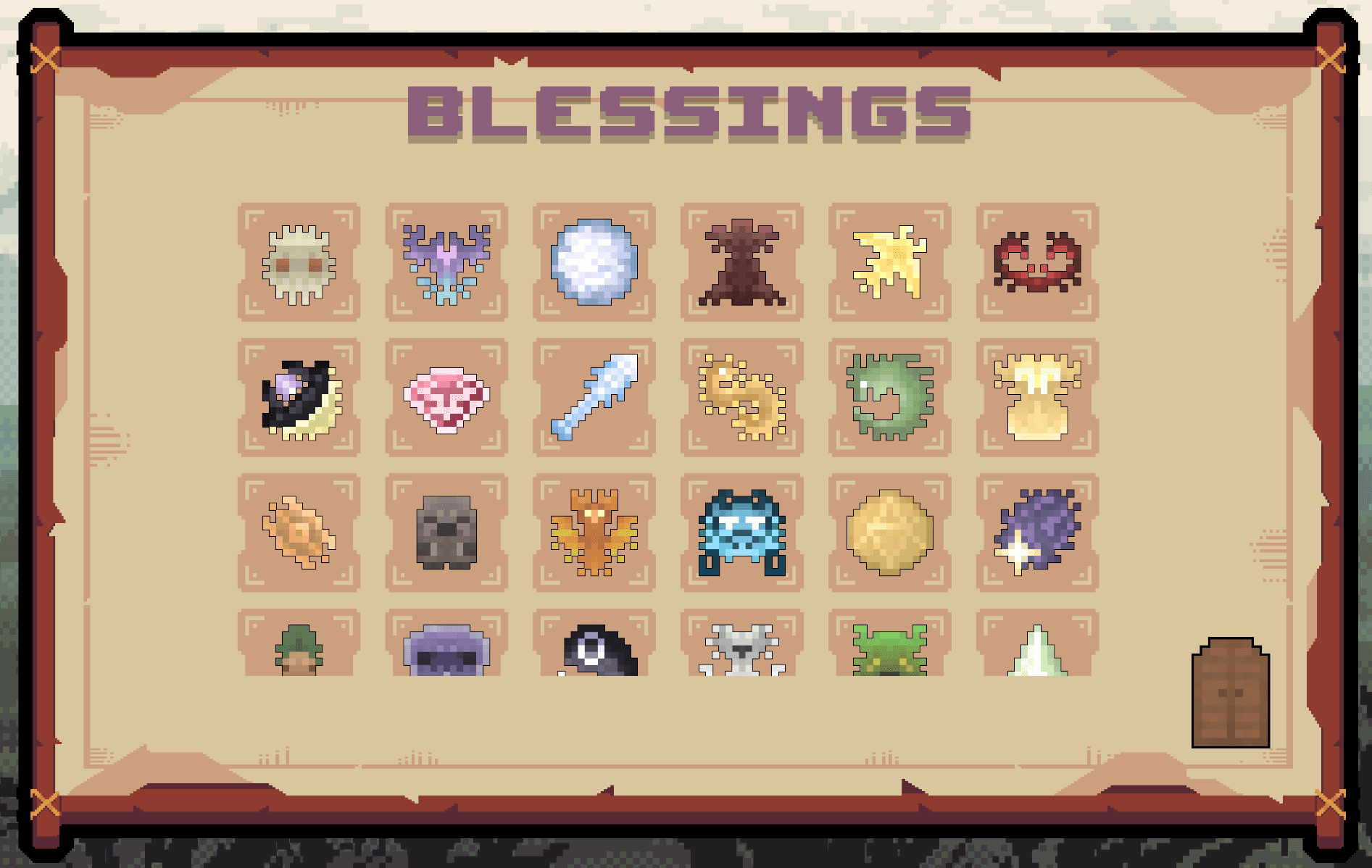
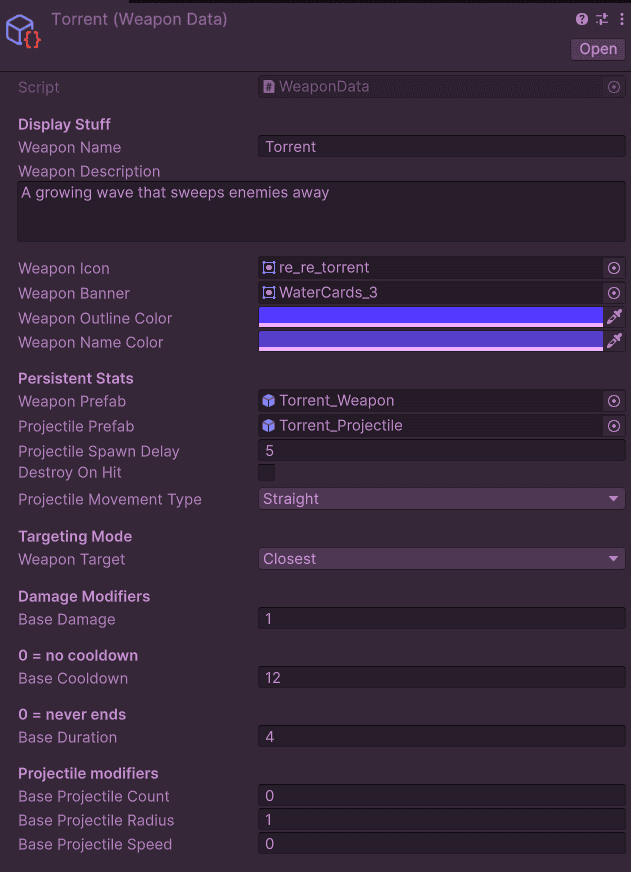
There are 30+ weapons available in the game, and I worked hard to ensure that each of them function differently. The way I coded the weapons, it is super simple to add new weapons by just using dropdowns and setting base values (which influences scaling as well). I focused a lot on setting up a clean and scalable system early so that adding more weapons would be easier.
Some weapons are single target and deal a lot of damage, others fire volleys of tiny projectiles that chip away at enemy health. Some orbit the player permanently, others heal the player by damaging the enemies.
Originally the enemies only had very basic "pathfinding" - they would wark straight toward the player. This caused multiple issues, both including the fact that enemies would often clump up behind the player in a conga line (causing targeted multi-hit weapons to be super strong) and making moving around feel very plain and predictable. I did not want the game to turn into a walking simulator.
I ended up using a kind of crowd shaping system where enemies would aim for "sectors" around the player, spreading as evenly as possible and often flanking around to try and hit the player from behind. Enemies also directly avoid clumping and use a static "Wall Field" system derived from Flow Field pathfinding to nudge them away from / around walls.
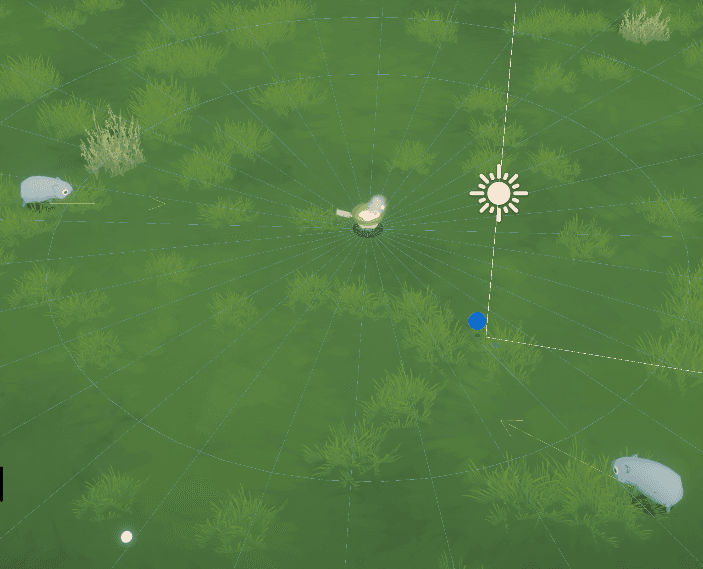
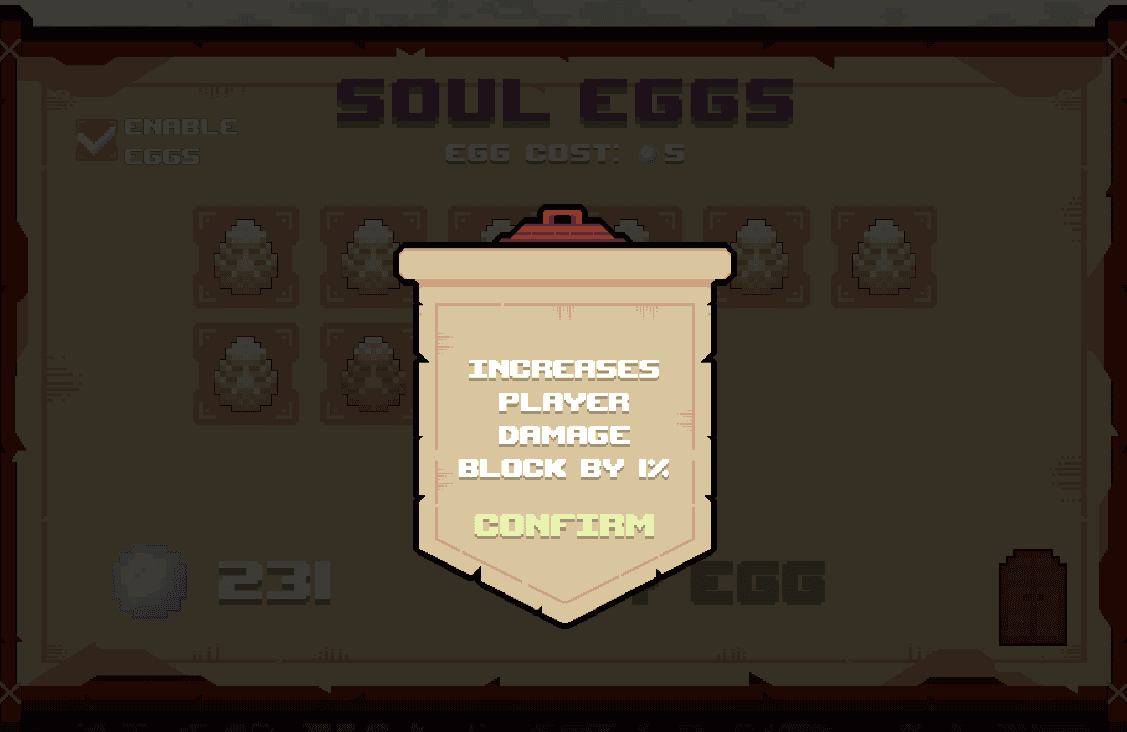
Meta upgrades in the game come in the form of "Soul Eggs". This caters towards fans of gacha, grinding and those who enjoy completionism. You get souls by killing enemies, especially by killing bosses. Souls can be used to buy Soul Eggs, which give random upgrades from a pool of possible drops, including a set of rare specific extra powerful upgrades for that extra wow-factor.
As the player gains souls by just playing the game normally, soul eggs aid the player with making the game easier over time, as the game starts out very hard but each successive run becomes easier and easier. This balance makes it so that players who want a harder time can choose to play without soul eggs, whereas those who are struggling and die often can slowly get stronger as they continue playing. It's a win-win and also improves replay value.
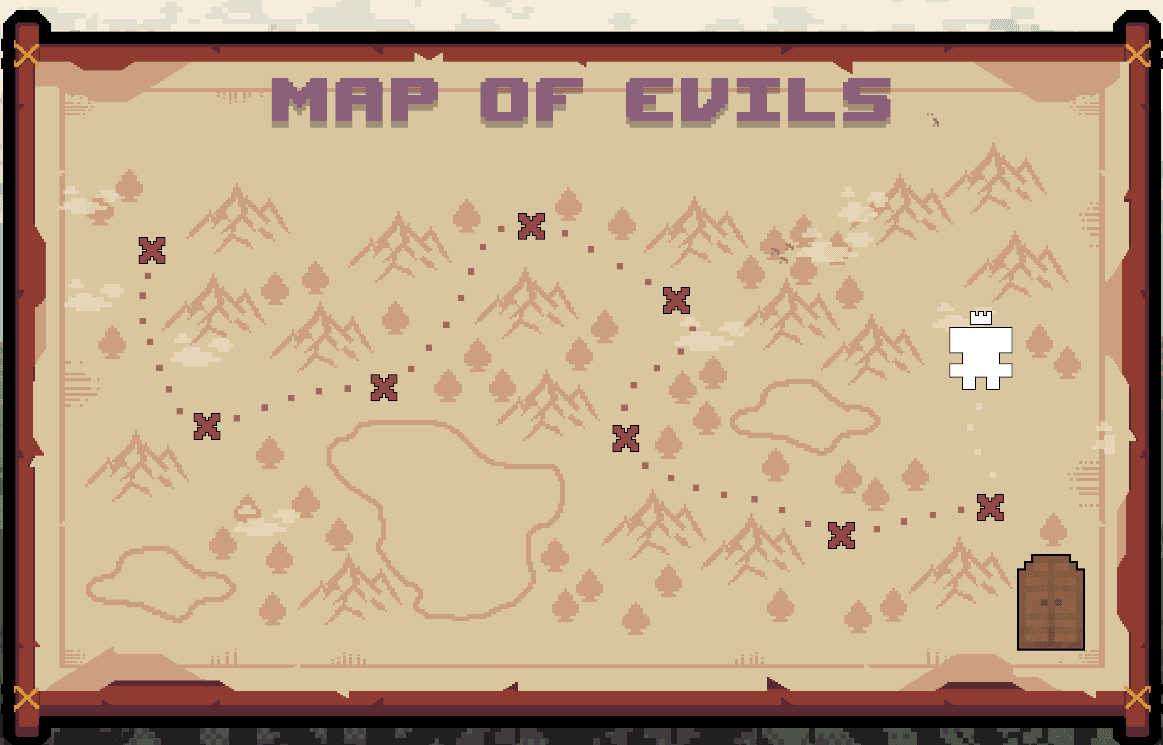
The game has multiple different levels, each ending with unique bosses with custom attack patterns. Enemies found in the levels are also different, which makes the player able to keep progressing and unlocking new things throughout the game in a scalable way as all of the enemies retain the same base, but come with different visuals and stats. It allows for large amounts of content at a lower developmental cost.
Overall Legend of Egg was a very fun game to work on and adding new content was very easy as the scaffolding for adding new enemies and weapons was structured neatly from the beginning. If there is one thing I would do differently next time it would be to reduce the amount of content first before finishing the entire loop. Currently there are many forms of progression by unlocking new weapons, new meta upgrades and even artifacts to alter runs. Systems like the artifacts sound cool in theory but I only ever implemented a barebone structure for it and then left it as is. I believe that I should have gone for more of a vertical slice type of game and spread out content more evenly across the different types of play.